

How to price your crystal collection
Compare similar pieces, separate asking prices from sold evidence, account for condition and treatments, and choose a realistic pricing plan.
By Regemify · Updated July 23, 2026
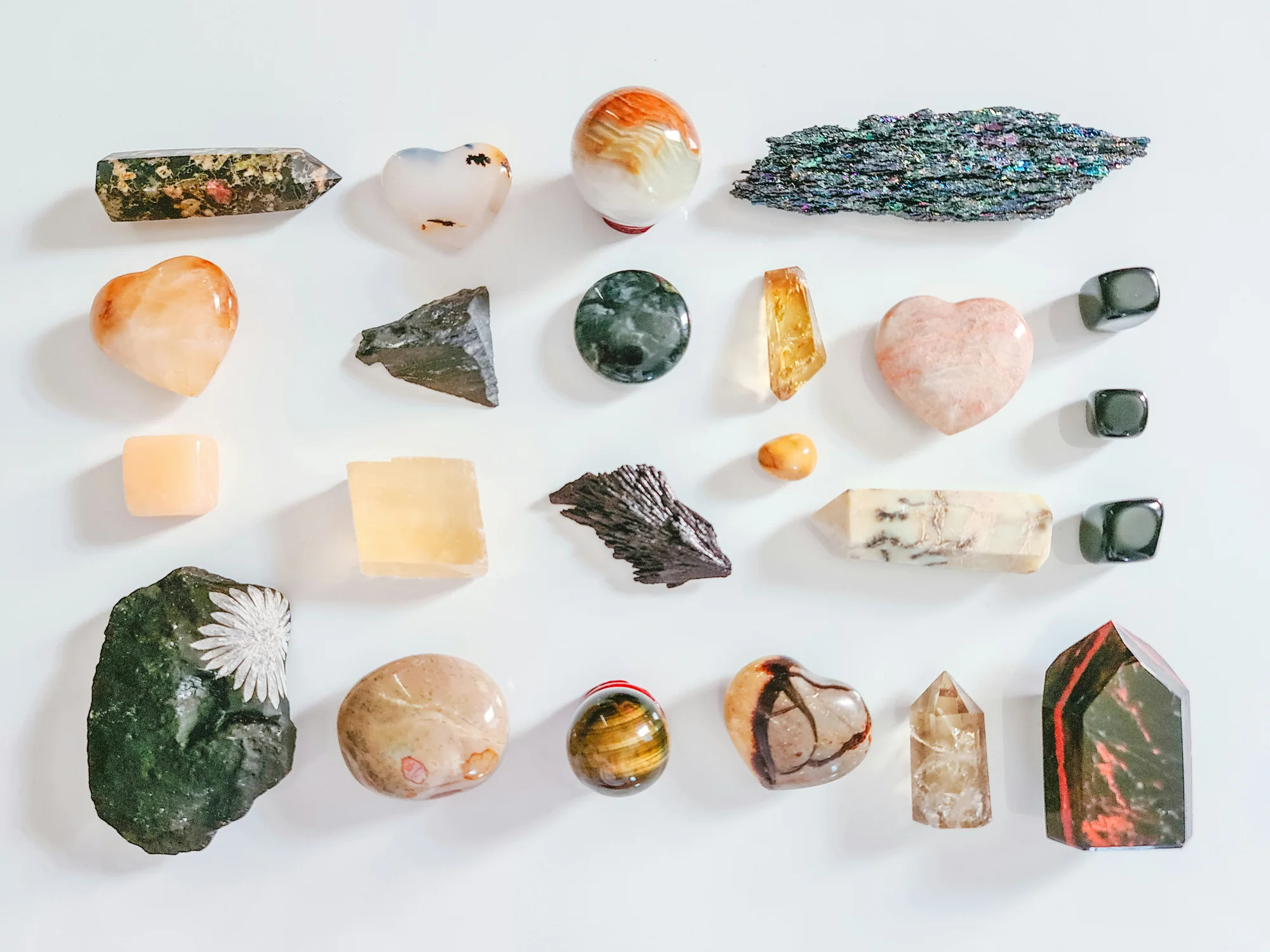
Start with the resale market, not the memory of what you paid
Your original receipt is useful history, but it does not set today’s resale price. Retail markups, trends, seller reputation, condition, shipping, and current supply may have changed since you bought the piece.
A practical price comes from comparing the exact piece with the closest available evidence, then adjusting for the differences a buyer can actually see and verify.
Build a useful comparison group
Search for the same mineral first, then narrow by form, approximate dimensions, weight, color, condition, treatment, origin, and workmanship. Five close comparisons are more useful than fifty unrelated crystals that happen to share one keyword.
- 1. Exact match: the same mineral, form, size range, and condition.
- 2. Near match: the same mineral and form with one meaningful difference.
- 3. Market boundary: a clearly better and clearly weaker example that show the realistic range.
- 4. Sold evidence: completed sales when they are available and genuinely comparable.
- 5. Full buyer cost: item price plus shipping, because that is what the buyer compares.
Factors that can change a crystal’s price
- Identification
- Price from what you can support. A specific, accurate mineral name is more useful than an uncertain premium trade name.
- Size and weight
- Compare dimensions and weight together. Photos alone make small pieces look large and large pieces look ordinary.
- Form and workmanship
- Natural specimen, cluster, tower, sphere, carving, slab, jewelry, and lapidary work each have different comparison markets.
- Color and visual character
- Color, pattern, clarity, inclusions, crystal formation, polish, and overall presentation can change what collectors will pay.
- Condition
- Chips, repairs, unstable points, worn plating, old adhesive, or a missing stand should be reflected in both description and price.
- Origin and treatments
- Documented locality can matter for some specimens. Dye, coating, filling, stabilization, or an unsupported origin claim may affect comparison and value.
Choose a pricing goal before choosing the number
Sell sooner: price near the lower end of close evidence and make the condition especially easy to understand.
Wait for the right collector: a distinctive, well-documented piece may justify more time, but a higher price still needs visible reasons.
Move a larger collection: list the strongest pieces individually and use thoughtful bundles for lower-value or closely related pieces. Do not hide damaged pieces inside a group.
Your pricing worksheet
- Mineral or material identification and how certain it is
- Form, dimensions, weight, and what is included
- Color, clarity, pattern, formation, polish, or workmanship
- Every chip, repair, treatment, or condition issue
- Three to five close active comparisons
- Completed sale evidence when available
- Packed weight and realistic tracked shipping cost
- Current marketplace fees and the amount you hope to receive
Review the listing as a buyer would
Before publishing, cover the price and look only at the title, photos, measurements, and description. Would those details let a stranger understand why this piece belongs in its price range? If not, improve the evidence before increasing the number.
Revisit a listing if it receives views or interest but no sale. The price may be high, but the first photo, shipping cost, incomplete dimensions, or missing condition information may also be holding it back.
Sources and further reading
- Colored Gemstone Value Factors from Gemological Institute of America
- Create great listings from eBay Seller Center
- Buying Gemstones, Diamonds, and Pearls from Federal Trade Commission
Explore related crystal collections
Continue learning
Related crystal guides
Sellers
How to sell crystals online
A practical guide to choosing pieces, taking useful photos, writing accurate listings, pricing, packing, and sharing your shop.
Sellers
How to photograph crystals for sale
A practical shot list for color, scale, condition, reflective surfaces, flaws, and a clear first photo that represents the exact piece.
Put the guide into practice
Use the marketplace to browse current pieces or prepare a collection for its next keeper.