

How to spot dyed, coated, or treated crystals
Learn what common treatments do, which visual clues deserve a closer look, and why a photo alone cannot prove a treatment.
By Regemify · Updated July 23, 2026
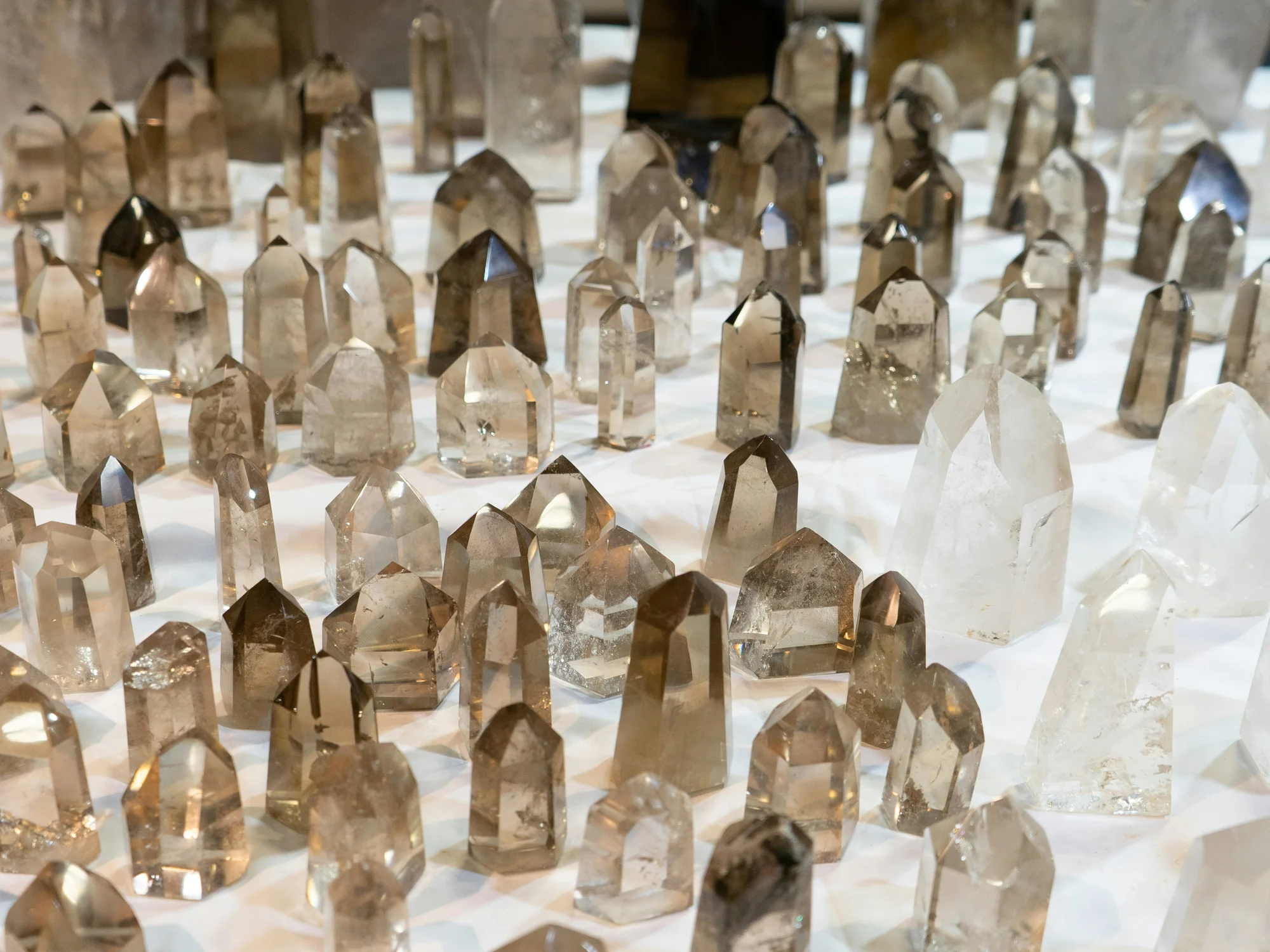
Treatment does not automatically mean fake
A treated crystal can still be real mineral material. Treatment describes something done to alter color, clarity, stability, or appearance. The collector question is whether the treatment was disclosed clearly and whether it changes value or care.
The Federal Trade Commission says gemstone treatments should be disclosed when they are not permanent, create special care requirements, or significantly affect value. On a secondhand marketplace, a seller may not always know the full history. “Unknown” is a more responsible answer than an unsupported promise.
Common crystal and gemstone treatments
- Dyeing
- Color is introduced into porous material or surface-reaching fractures. Dye can change the color or make it look more uniform.
- Surface coating
- A thin material is applied to part or all of the surface to change color, luster, durability, or appearance.
- Heating
- Heat may change color or clarity. It is common in parts of the gem trade and is not always visible without testing.
- Fracture or cavity filling
- Glass, resin, wax, oil, or another material fills openings to make fractures less visible or improve stability.
- Irradiation or diffusion
- Energy or added elements can change color. Skilled testing may be needed to identify the process.
- Impregnation or stabilization
- Wax, resin, polymer, or plastic enters porous material to strengthen it or improve its appearance.
Visual clues worth a closer look
- Color collected in cracks or pits: concentrated color along fractures can be consistent with dye entering porous areas.
- A surface color that stops at a chip: an edge, scratch, drill hole, or worn spot may reveal a different material beneath a coating.
- Extremely even color across unlike textures: natural material can be vivid, but perfect uniformity across matrix, fractures, and polished areas deserves another look.
- Strong color only at the surface: ask for side, base, and back photos to see whether the appearance changes through the piece.
- An oily, resin-like, or glassy fracture: filled areas can reflect differently, though a photo is rarely enough to identify the material.
- Color that changes dramatically between photos: request a neutral daylight photo before assuming treatment. Automatic phone processing can shift color significantly.
Questions to ask the seller
- Do you know of any dye, coating, heat, filling, stabilization, irradiation, or repair?
- Did you buy the piece directly from its maker or from another collector?
- Can you photograph it in indirect daylight without a filter?
- Can you show the base, edges, drill holes, fractures, and any worn areas?
- Does the color require special care or fade with light, heat, water, or cleaners?
- Is the listed origin documented, remembered from a label, or only believed?
- Does a laboratory report come with this exact piece?
- If treatment history is unknown, will the listing say that clearly?
Avoid destructive home tests
Solvents, heat, scraping, soaking, and strong cleaners can damage a crystal, remove a coating, weaken a filling, or ruin a polish. They can also turn a returnable question into damage caused after delivery. Ask for evidence first. For a high-value piece, an independent qualified gemologist or laboratory is a safer next step.
What a useful listing should disclose
The listing should separate known facts from uncertainty. A good description might say, “Purchased as dyed agate; color stability unknown,” or, “Seller does not know whether this quartz has been irradiated.” That is more useful than simply saying “natural” without explaining what the word means.
Treatment is one part of the decision. The exact item photos, condition, dimensions, repair history, price, and care needs still matter.
Sources and further reading
- An Introduction to Gem Treatments from Gemological Institute of America
- What treatments does GIA test for? from Gemological Institute of America
- In the Loupe: Advertising Diamonds, Gemstones and Pearls from Federal Trade Commission
- Buying Gemstones, Diamonds, and Pearls from Federal Trade Commission
Explore related crystal collections
Continue learning
Related crystal guides
Buyers
How to buy crystals online
A collector checklist for photos, size, condition, treatments, seller questions, total price, shipping, and delivery.
Collectors
Secondhand crystals vs newly mined
A balanced look at reuse, mining, provenance, treatments, condition, and the questions that help collectors choose with more context.
Put the guide into practice
Use the marketplace to browse current pieces or prepare a collection for its next keeper.